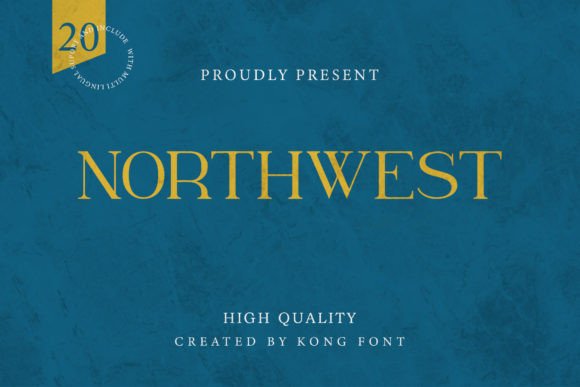
Northwest: The Handwritten Script Font Capturing the Modern Creative Spirit
In the ever-evolving landscape of digital design, typography remains a fundamental pillar of visual communication. It carries the voice of a brand, sets the emotional tone of a project, and guides the user's eye with intention and style. Among the vast sea of typefaces, a distinct category continues to gain momentum: the modern handwritten script. These fonts offer a human touch in an increasingly digital world, bridging the gap between professional polish and authentic, personal expression. Within this popular genre, the Northwest font, a creation of the innovative Kong Font Studio, has emerged as a noteworthy choice for a wide array of creative professionals and enthusiasts.
Northwest is not just another script font; it is a carefully crafted tool designed for modern workflows and aesthetic sensibilities. It embodies a playful yet sophisticated energy, making it incredibly versatile. For crafters working with their Silhouette design studio, entrepreneurs building a brand identity, or freelancers designing social media assets, Northwest offers a unique blend of style and functionality. Its growing popularity is a direct reflection of current trends in design, branding, and the creator economy, where authenticity and personality are paramount. This article explores the essence of the Northwest font, its place in the broader creative ecosystem, and why it has captured the attention of so many.
The Anatomy of a Modern Script: Deconstructing the Northwest Aesthetic
At its core, the Northwest font is a testament to thoughtful design. It is classified as a modern and playful handwritten script, a description that belies the intricate balance it strikes. Unlike formal calligraphic scripts that can feel rigid or overly traditional, Northwest captures the spontaneous, fluid motion of natural handwriting. Its letterforms are connected in a way that feels organic, yet each character is rendered with enough clarity to ensure legibility across various sizes and applications. This is a critical feature for any font intended for practical use; a beautiful script is useless if it cannot be easily read.
The "playful" aspect of its character is evident in its slightly varied baseline and the subtle, energetic curves of its ascenders and descenders. This quality prevents it from feeling sterile or overly digitized, lending a warm, approachable feel to any project it graces. It’s this very quality that makes it a powerful tool for creators. In a market saturated with slick, corporate fonts, a typeface like Northwest offers a dose of personality. It can transform a simple greeting card into a heartfelt message, a social media post into an engaging conversation, or a product label into a story. Created by the adept designers at Kong Font Studio, known for their extensive library of creative assets available on platforms like Creative Fabrica, Northwest is built with a deep understanding of what today's creators need.
Why the Market is Embracing Authentic, Handcrafted Typography
The rising popularity of fonts like Northwest is not an isolated phenomenon. It is deeply connected to a significant shift in consumer and market trends. In an age dominated by algorithmic perfection and AI-generated content, there is a growing counter-movement that values the human touch. Consumers are increasingly drawn to brands that feel authentic, relatable, and transparent. This has had a profound impact on design and marketing. The demand for assets that convey sincerity and personality has skyrocketed.
Handwritten fonts are a direct answer to this demand. They serve as a visual shortcut to authenticity. When a brand uses a script like Northwest in its logo, website, or packaging, it communicates a sense of care, craftsmanship, and individuality. It tells the customer that there is a person, not just a corporation, behind the product. This is particularly crucial for small businesses, entrepreneurs, and direct-to-consumer brands that compete on story and connection rather than scale alone. The font becomes an integral part of the brand's narrative, helping to build a loyal community around shared values of creativity and genuineness.
Furthermore, the gig and creator economies have empowered millions to become their own designers. With accessible tools like Canva, Adobe Express, and Silhouette Studio, individuals can now create professional-grade marketing materials, products, and digital content. However, they need assets that are both high-quality and easy to use. This is where fonts like Northwest excel. Its design is intuitive, allowing non-designers to achieve beautiful results without a steep learning curve. It fits perfectly into the workflow of a freelancer creating a client proposal, an Etsy seller designing a new product mockup, or a social media manager scheduling a week of engaging posts.
Practical Applications: Integrating Northwest into Your Creative Workflow
The true value of any design asset lies in its application. The versatility of the Northwest font allows it to be seamlessly integrated into a multitude of projects, enhancing their visual appeal and emotional resonance. Its compatibility with industry-standard software like Adobe Photoshop, Illustrator, and popular crafting programs such as Silhouette Design Studio makes it a practical choice for a wide range of users.
- Branding and Logo Design: For lifestyle brands, boutiques, coffee shops, and artisan businesses, Northwest can serve as the primary logotype or a complementary script for taglines. It instantly imbues a brand with a friendly, approachable, and stylish identity.
- Social Media Content: In the fast-scrolling environment of Instagram, TikTok, and Pinterest, eye-catching text is essential. Using Northwest for quotes, announcements, or call-to-action overlays can make graphics stand out, driving higher engagement and creating a cohesive aesthetic for a feed.
- Wedding and Event Stationery: The elegant yet personal feel of the font makes it a perfect choice for invitations, save-the-dates, and thank-you cards. It adds a touch of bespoke charm that formal, traditional fonts often lack.
- Product Packaging and Labels: For creators selling physical goods, packaging is the first physical touchpoint with the customer. A label designed with the Northwest font can communicate quality and artisanal value, encouraging customers to pick the product up off the shelf.
- Digital Products and Printables: Entrepreneurs in the digital space can use Northwest to design beautiful planners, worksheets, e-book covers, and wall art. Its clean legibility ensures that the content is not only beautiful but also functional.
By choosing a font like Northwest, creators are not just selecting a set of letters; they are adopting a style and a mood. They are making a deliberate choice to communicate in a way that is warm, modern, and human-centric. This strategic application of typography is what separates good design from great design, and it is a key reason why professionals and hobbyists alike are paying close attention to fonts that offer this level of expressive potential.
The Future of Font Design: Personality, Usability, and Integration
The success and relevance of the Northwest font point toward the future of typography and design. The needs and expectations of creators are changing. There is a clear demand for fonts that are not only aesthetically pleasing but also highly usable, versatile, and emotionally resonant. The era of choosing between "professional" and "personal" is over. Today's most effective designs merge the two, and typefaces like Northwest are the enablers of this synthesis.
We can expect to see a continued focus on fonts that support brand storytelling and foster human connection. As technology advances, with tools becoming even more integrated and intuitive, the assets that feed them must keep pace. The workflow of a modern creator is fluid, moving from a desktop design application to a mobile editing tool, and then to a cutting machine or a print-on-demand service. Assets must be robust and compatible enough to perform flawlessly across this entire ecosystem. The design philosophy behind fonts like Northwest, which prioritize both form and function, is perfectly aligned with this trajectory.
Ultimately, the enduring appeal of a font like Northwest lies in its ability to make digital creations feel more tangible and more human. In a world awash with information, the ability to create something that feels personal and authentic is a powerful differentiator. It is a tool that empowers creators to tell their stories more effectively, connect with their audiences more deeply, and build brands that are not just seen, but felt. As the creative landscape continues to evolve, the demand for typography that balances playful spirit with professional utility will only grow, securing the place of thoughtfully designed fonts at the heart of modern visual communication.