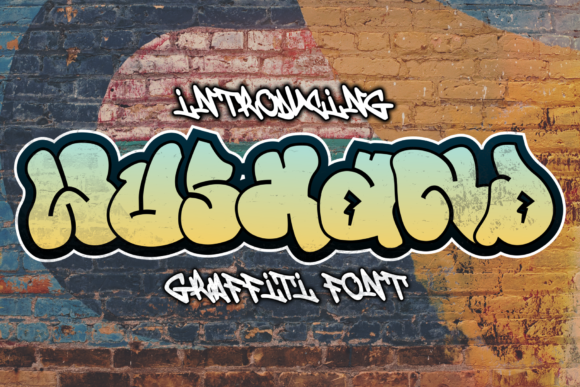
Wushand: Unleashing the Power of Graffiti Style in Modern Design
In the dynamic world of visual communication, typography is not merely a tool for legibility; it is a voice, a texture, and a personality. When standard sans-serifs and predictable serifs fail to capture the raw energy of a project, designers often turn to display fonts that carry a distinct attitude. Among the rising stars in this category is Wushand, a spectacular, graffiti-styled display font that bridges the gap between street art aesthetics and professional design application. This article explores the versatility, utility, and practical application of Wushand, offering a guide for anyone looking to inject a dose of urban vitality into their creative work.
Understanding the Wushand Aesthetic
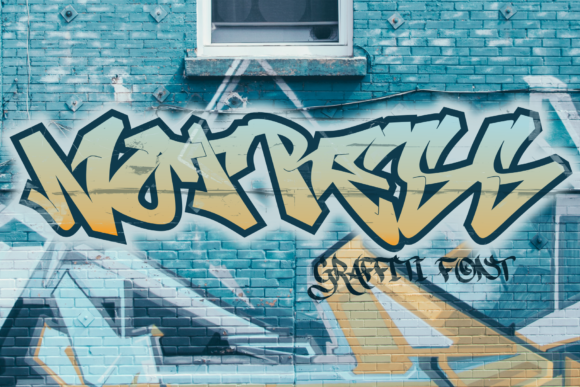
At its core, Wushand is defined by its expressive, hand-crafted appearance. Unlike rigid geometric fonts, Wushand embraces the imperfections and fluidity of spray paint and marker strokes. It is designed to feel authentic, capturing the kinetic energy of street art culture. This style is characterized by bold letterforms, dynamic baselines, and a sense of movement that static fonts simply cannot replicate.
The value of a font like Wushand lies in its ability to evoke an immediate emotional response. It speaks to rebellion, creativity, youth culture, and authenticity. For creators, it offers a shortcut to establishing a mood that is both edgy and approachable. However, its "spectacular" nature means it is best used where impact is the primary goal. It is not a font for body text; it is a font for making statements.
Strategic Applications for Creators and Businesses
The utility of Wushand extends far beyond simple text placement. Its graffiti style makes it a versatile asset across various design verticals. Understanding where to deploy this font can significantly elevate the quality of a project.
Branding and Identity
For businesses targeting a younger demographic or those operating within the creative industries, Wushand can serve as a cornerstone of a brand identity. It is particularly effective for:
- Logo Design: A Wushand-based logo can convey innovation and non-conformity, perfect for tech startups, music labels, or creative agencies.
- Taglines and Slogans: Pairing a clean corporate font with a Wushand accent for a tagline can add a layer of personality and visual interest to marketing materials.
- Brand Collateral: From business cards to letterheads, using Wushand for headers creates a cohesive and memorable brand experience.
Apparel and Merchandise
The fashion industry thrives on expression, making Wushand a natural fit. Its visual weight translates exceptionally well to physical products. Consider its application in:
- T-Shirt Graphics: The font’s style mimics the look of customized clothing, making designs feel exclusive and limited-edition.
- Streetwear Labels: For brands selling hoodies, caps, or sneakers, Wushand aligns perfectly with the cultural roots of the fashion genre.
- Merchandise: Tote bags, stickers, and posters benefit from the high visibility and decorative nature of the typeface.
Digital Media and Wall Art
In the digital space, attention spans are short. Wushand commands attention instantly. It is an excellent choice for:
- Social Media Headers: Creating bold, readable headlines for Instagram stories or YouTube thumbnails.
- Wall Art Illustration: When creating digital prints or murals, Wushand provides the authentic look of hand-painted lettering without the mess of actual paint.
- Event Promotion: Posters for concerts, festivals, or gallery openings often require a high-energy vibe that Wushand delivers effortlessly.
Technical Features and Design Characteristics
While the aesthetic is the first thing users notice, the technical execution of Wushand is what makes it a professional tool. A well-crafted display font must balance style with usability.
Character Set and Glyphs: Wushand typically includes a comprehensive character set, supporting multiple languages. Beyond standard alphanumeric characters, look for stylistic alternates and ligatures. These features allow designers to customize the look of the text, ensuring that repeated letters don't look identical, which enhances the hand-drawn effect.
Weight and Balance: Despite its chaotic visual appearance, a good graffiti font maintains a consistent internal logic. Wushand is designed with a specific weight that ensures it remains legible even at smaller sizes, though it truly shines in large headers. The kerning (spacing between letters) is carefully adjusted to maintain readability while preserving the connected, flowing nature of the script.
Integrating Wushand: A Practical Guide
Adopting a new font requires more than just installation; it requires a strategy for integration. Here is how professionals can effectively incorporate Wushand into their workflow.
Pairing with Other Fonts
The golden rule of using display fonts is contrast. Because Wushand is highly decorative and textured, it pairs best with clean, neutral fonts. Avoid pairing it with other script fonts or overly decorative serifs, as this will result in visual clutter.
- Good Pairings: Sans-serif fonts like Montserrat, Roboto, or Open Sans provide a clean canvas that allows Wushand to pop.
- Hierarchy: Use Wushand for H1 and H2 headings, and the clean font for body copy. This creates a clear visual hierarchy that guides the reader's eye.
Color and Texture
Graffiti art is rarely monochromatic. When using Wushand, consider the background texture. It often looks best when placed over high-contrast images or textured backgrounds like concrete, brick, or rough paper. In terms of color, bold, high-saturation hues work best. Neon greens, electric blues, and stark whites can mimic the look of spray paint, while gold or silver gradients can give it a premium finish.
Evaluating Suitability
Before committing to Wushand for a major project, it is vital to evaluate its suitability for the specific context. Ask the following questions:
- Who is the audience? If the audience is conservative or corporate, Wushand may be too aggressive. If the audience is creative, youthful, or urban, it is likely a perfect fit.
- What is the medium? Wushand is excellent for digital screens and large-format print. It may be less effective for dense legal documents or long-form reading.
- What is the message? Does the project call for a voice of authority and stability, or does it need a voice of energy and rebellion?
Strengths and Considerations
Every design tool has its pros and cons. Wushand’s primary strength is its undeniable visual impact. It saves designers time by providing a pre-made aesthetic that would otherwise require hours of hand-lettering. It is a "plug-and-play" solution for high-energy design.
However, there are considerations to keep in mind. As a display font, it has limited use cases. Overusing it can dilute its impact or make a design feel chaotic. Furthermore, because graffiti styles can be trendy, designers should ensure that the specific style of Wushand aligns with the longevity they require for the project. While street art is timeless, specific lettering trends can evolve.
Conclusion
In summary, Wushand is more than just a graffiti-styled typeface; it is a design asset that brings a specific cultural energy to the table. By understanding its characteristics, knowing where to apply it, and pairing it wisely with complementary fonts, creators can leverage Wushand to elevate their work from mundane to spectacular. Whether you are designing a logo for a new streetwear brand, creating a poster for a music festival, or simply looking to add some edge to your social media graphics, Wushand offers a reliable and visually striking solution. Embrace the style, respect the context, and let the typography do the talking.