Integrating Handmade Calligraphy: A Practical Guide to Elegant Script in Modern Workflows
Understanding the Asset: Handmade Calligraphy Script
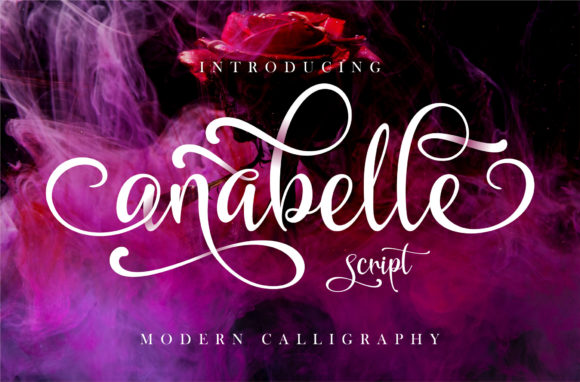
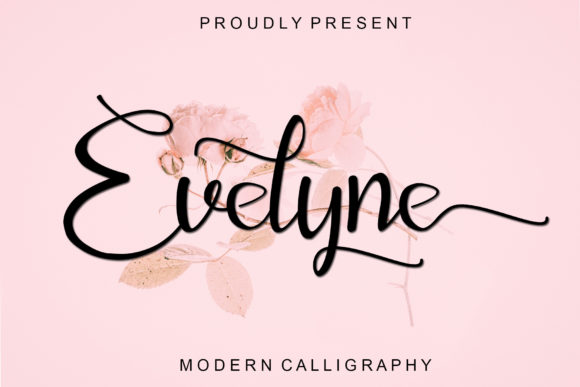
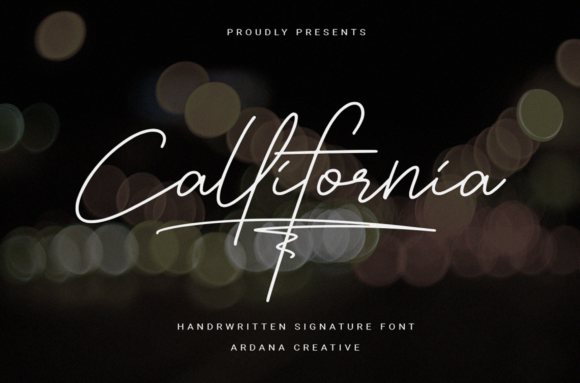
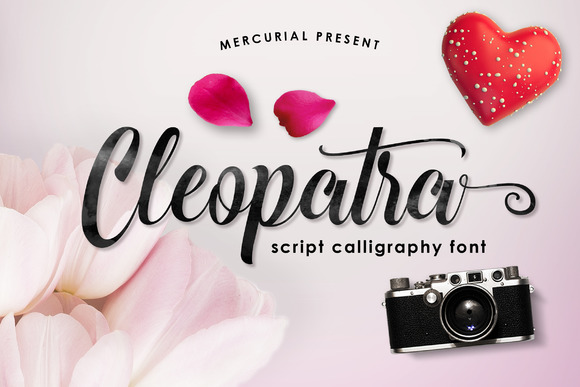
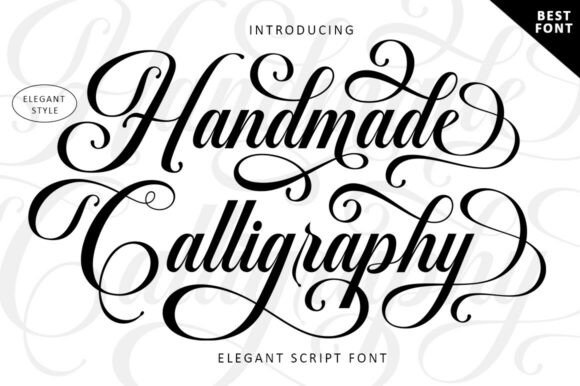
In the realm of digital design and professional branding, typography is rarely just about legibility; it is about conveying a specific emotion and level of quality. Handmade Calligraphy is a specific style of elegant script font that bridges the gap between traditional penmanship and modern digital requirements. It is characterized by beautiful character variations, a luxurious style, and a clean, feminine aesthetic. Unlike rigid standard fonts, this typeface relies on flowing letter connections that create a visually appealing rhythm.
For professionals ranging from graphic designers to small business owners, understanding the technical and aesthetic composition of Handmade Calligraphy is the first step in effective implementation. The font is designed to mimic the natural flow of ink on paper, offering a modern touch while retaining a classic sensibility. This duality makes it a versatile asset in a creator’s toolkit, capable of elevating a project from functional to sophisticated without requiring the time investment of actual hand-lettering for every iteration.
Pre-Project Planning and Selection
The integration of Handmade Calligraphy begins long before the design software is opened. It starts in the planning and strategy phase. When defining the visual identity for a project—whether it is a wedding suite, a restaurant menu, or a digital marketing campaign—the choice of typography must align with the target audience and the project's core message.
Because this script features a luxurious and clean aesthetic, it is particularly effective for projects targeting demographics that value elegance, tradition, or premium quality. For example, a freelancer pitching a branding package to a boutique hotel or a high-end cosmetics line should consider this font during the mood board creation phase. It sets a specific expectation for the client immediately. By selecting Handmade Calligraphy early, you establish a framework for color palettes and supporting typefaces that will complement its ornate nature.
Strategic Implementation in Creative Workflows
Once the decision to use this font is made, the practical implementation requires a process-oriented approach. Typography does not exist in a vacuum; it interacts with other design elements, white space, and the medium of delivery. Integrating Handmade Calligraphy effectively involves understanding where it fits within the hierarchy of information.
The Role in Branding and Logo Design
In logo design, Handmade Calligraphy serves as a primary identifier for brands that wish to appear approachable yet high-end. However, because script fonts can be complex, they require careful consideration regarding scalability. A practical workflow tip for designers is to test the logo at various sizes early in the process. The "beautiful character variations" mentioned in the font's description can sometimes become muddled at very small sizes or on low-resolution screens.
Therefore, during the execution phase, it is standard practice to pair this script with a clean sans-serif or serif font. The script font handles the emotional heavy lifting—used for the logo mark or large headlines—while the secondary font handles the functional information, such as taglines or contact details. This ensures the brand remains readable and professional across all touchpoints.
Stationery, Invitations, and Physical Products
The application of Handmade Calligraphy shines brightest in the production of physical stationery, wedding cards, and packaging. In this context, the font interacts directly with printing processes and paper stock. The "luxurious letter connections" of the font pair exceptionally well with textured paper stocks, such as cotton or linen, where the subtle variations in the script can create a tactile, three-dimensional effect.
For wedding planners and stationery designers, the workflow often involves creating a cohesive suite. Here, consistency is key. Using Handmade Calligraphy across save-the-dates, invitations, and day-of signage creates a unified narrative. A practical tip for implementation is to ensure that the font size is adjusted for legibility on textured envelopes, where ink can sometimes bleed into the paper fibers, obscuring the delicate loops and swashes of the script.
Digital Integration and Web Usability
While Handmade Calligraphy evokes a sense of traditional craftsmanship, its application in modern digital environments—such as websites, social media graphics, and email headers—requires a different set of technical considerations. The goal is to maintain the aesthetic appeal while ensuring the user experience (UX) is not compromised.
Web Design and User Experience
In web design, readability is paramount. Google’s guidelines on user experience emphasize that content should be easy to consume. While Handmade Calligraphy is visually appealing, it is generally not suitable for body text or long-form reading on screens due to its complex ligatures. Instead, it should be reserved for high-impact areas such as hero sections, blockquotes, or section headers.
A practical implementation strategy involves using this font for "pull quotes" or call-to-action buttons where you want to draw the user's eye. It acts as a visual break from standard text, signaling to the reader that this specific piece of information is special or requires attention. This interaction between functional body text and decorative script headers creates a balanced visual hierarchy that guides the user’s journey through the page.
Social Media and Content Marketing
For marketers and content creators, Handmade Calligraphy is a powerful tool for creating "thumb-stopping" visual content. On platforms like Instagram or Pinterest, where aesthetic appeal drives engagement, this font can be used to overlay text on images or create quote cards. The "feminine and easy to read" characteristics make it ideal for lifestyle, beauty, and fashion niches.
However, to maintain efficiency in a content workflow, it is advisable to create templates. By designing a set of master templates in tools like Canva or Adobe Illustrator that utilize Handmade Calligraphy, creators can ensure brand consistency while speeding up the production process. This prevents the need to adjust kerning and leading for every single social media post, allowing for a smoother, more automated workflow.
Quality Control and Long-Term Use
Integrating a specific aesthetic like Handmade Calligraphy into a long-term project or business requires ongoing quality control. Trends in design shift, but a well-chosen classic script can remain relevant if managed correctly.
Compatibility and File Management
A critical, often overlooked aspect of using premium fonts is file management. Professionals must ensure that the font files are properly licensed for all intended uses—whether for a client’s logo, a printed book, or a commercial product. Furthermore, when sharing files with collaborators or printers, embedding the font or outlining the text is a necessary step to prevent rendering errors. This technical preparation ensures that the "elegant look" achieved on the designer's screen is perfectly replicated in the final product.
Contextual Appropriateness
Finally, the success of Handmade Calligraphy depends on contextual appropriateness. It is a tool designed for specific jobs. It excels in contexts requiring elegance, such as fashion branding, makeup packaging, or formal invitations. It is less effective, and potentially detrimental, in contexts requiring strict neutrality or high-density information display, such as technical manuals or data-heavy infographics.
By adhering to these practical guidelines, professionals can leverage Handmade Calligraphy not just as a font, but as a strategic asset. It allows for the creation of high-quality, emotionally resonant work that aligns with professional standards, ensuring that the final output is both beautiful and functional.